

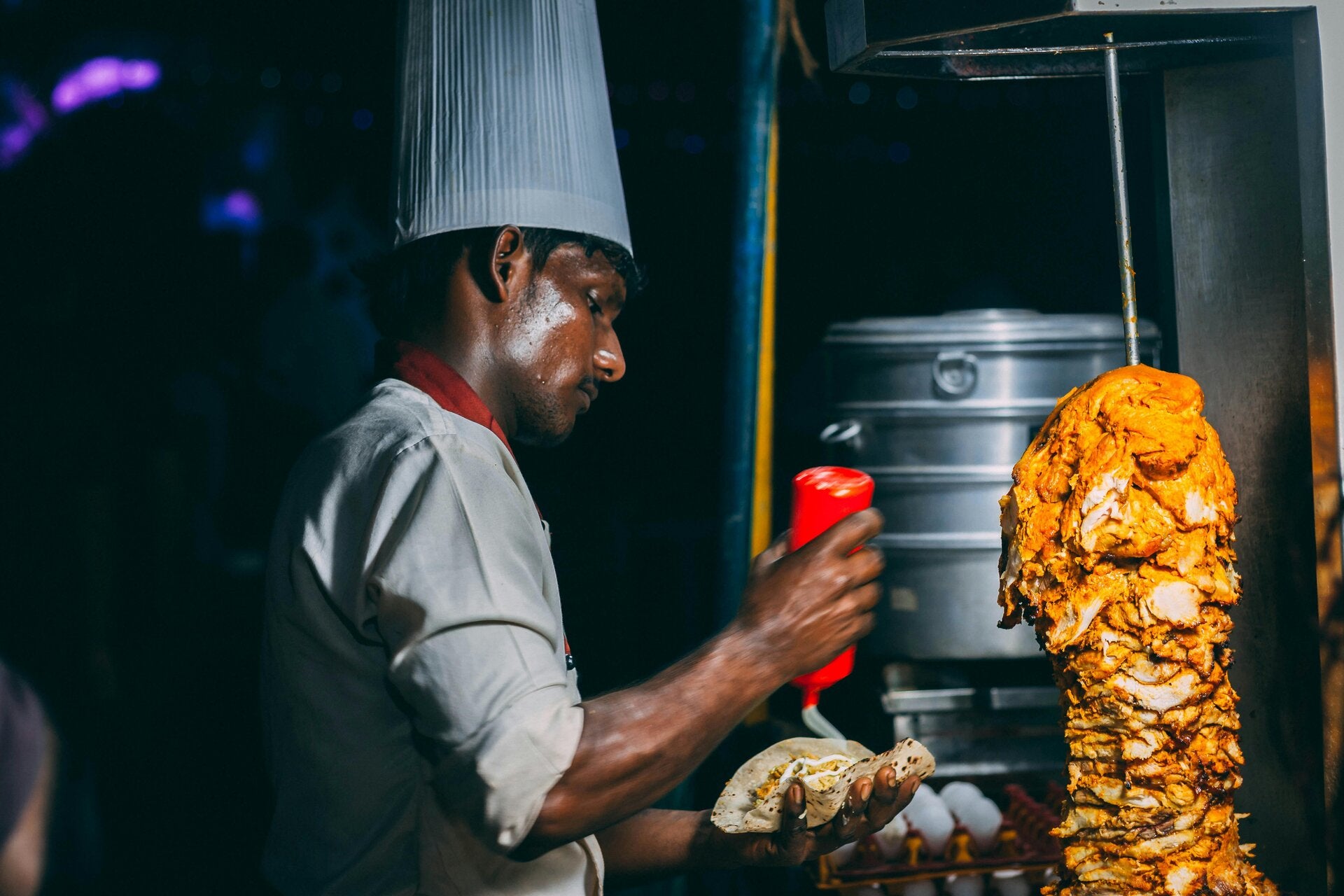
Discover the authentic taste of Uganda's Rolex
Welcome to the website about The Ugandan Rolex, one of the most popular and beloved street foods in Uganda and across East Africa
It also covers the methods used to grow the crops used to make this dish
This website explores everything about Rolex, including its history, cultural significance, ingredients, recipes, step-by-step preparation and food production methods. Whether you are learning about Ugandan cuisine for the first time or looking to make your own Rolex at home, this website provides information to help you understand and appreciate this iconic dish.

The Rolex is one of Uganda’s most famous street foods, loved for its simplicity, affordability, and great taste. But where did it come from? Discover the history, origins, and cultural significance of this iconic dish and learn how it became a symbol of Ugandan cuisine

serving suggestions and their recipes
Discover the perfect pairings for Uganda,s iconic street food (The Rolex)
SOCIO economical AND CULTURAL IMPACT OF UGANDA'S AGRICULTURE
Intercropping & Polyculture Farming
Intercropping is an agricultural method where two or more different crop types are grown simultaneously in the exact same field, rather than in isolated rows.
Polyculture farming expands on this by intentionally cultivating multiple plant species together to mimic a natural ecosystem, promoting biodiversity, pest resilience, and soil health.
In Uganda, this is visually characterized by multi-tiered farming:
Top Layer: High-canopy trees (like Gonja plantains).
Middle Layer: Mid-sized crops (like maize).
Ground Layer: Short, ground-crawling plants (like red kidney beans).
Cash Crops
Cash crops are agricultural crops grown strictly to be sold for profit in local, regional, or global markets, rather than for personal or family consumption. In Uganda, while crops like coffee and tea are grown for global markets, staples like wheat (for chapati), beans, and plantains are cultivated as crucial regional cash crops to supply busy urban street food vendors.
ORIGINS AND GLOBAL APPLICATION
Historical Origins
Intercropping and polyculture are ancient practices deeply rooted in indigenous farming traditions across Africa, Mesoamerica, and Asia. Long before the invention of synthetic chemical fertilizers, farming cultures recognized that plants thrive best in diverse plant communities rather than in artificial isolation.
Global Use Around the World
East Africa (Uganda, Kenya, Tanzania):Highly utilized by smallholder families to maximize small plots of land, blending staples like plantains, beans, and coffee.
Mesoamerica (Central America):Famous for the traditional "Three Sisters" method, which plants corn, beans, and squash together so they physically and chemically support one another.
Southeast Asia: Practiced in complex agroforestry systems where tall coconut palms are grown alongside lower-canopy cacao plants and spices.
THE ECONOMIC IMPACT
Agriculture serves as the absolute backbone of Uganda's economy, employing over 80% of the country’s total labor force.
Gross Domestic Product (GDP): Food production and agricultural systems account for over 40% of Uganda's total GDP.
Global Export Value: Driven by its agricultural sectors, Uganda’s export economy has grown significantly, with total agricultural exports reaching an estimated $3.1 billion USD annually by 2024.
Regional Trade Power: While coffee is the main global export, food crops like beans and plantains are heavily traded as cash crops regionally within the East African Community (EAC).
Financial Safety Nets: For smallholder farmers, polyculture provides economic security. Intercropping bananas or plantains with coffee or beans can increase net financial benefits by 58% to 201% compared to risky single-crop farming. If global prices drop for one crop, or a disease wipes it out, the farmer still has other crops to sell to survive.
THE ENVIRONMENTAL IMPACT
The balance between traditional polyculture and modern expansion introduces critical environmental benefits and heavy environmental costs.
Environmental Benefits (The Pros)
Natural Soil Fertility:** Legume crops like beans naturally "fix" nitrogen from the air into the ground, acting as a free, organic fertilizer for the surrounding plantains.
Erosion Control:** The heavy, multi-layered canopy of plantain leaves acts as a natural umbrella, reducing soil erosion caused by harsh tropical rains.
Water Retention:** The dense root systems bind the soil tightly and help the ground retain vital moisture during dry spells.
Environmental Costs (The Cons)
Resource Competition: If crops are not matched perfectly, they aggressively compete for sunlight and groundwater, lowering the yield of the weaker plant.
Deforestation: Because most Ugandan agriculture is rain-fed rather than artificially irrigated, farmers must clear natural forests to find more fertile plots to meet global demands. This rapid land clearing causes massive soil erosion and a severe loss of natural wildlife habitats


THE CULTURAL IMPACT
Food production techniques in Uganda do not just feed people; they define the social fabric, gender roles, and culinary heritage of the nation.
The Status of Matooke:Plantains and bananas (Matooke) are so culturally foundational that in central Uganda, the literal word for food (Ettooke) is derived directly from the name of the plantain itself. Growing this crop is intimately tied to a family's social standing.
Gender Roles and Community:Traditional polyculture farming relies deeply on communal labor, known locally as “Ggwanga Mugye” (a call for community mobilization). Men historically handle the heavy clearing of land and cash-crop trading, while women manage the highly complex intercropping systems, deciding exactly when and where to plant beans, greens, and root vegetables to feed the household.
Fueling Street Food Culture: The abundance of easily cultivated beans and plantains via intercropping directly birthed Uganda's vibrant street food movement. Without these specific agricultural techniques, iconic local dishes like Kikomando (beans and chapati) and Gonja (roasted plantains) would not be widely accessible or affordable to the urban working class.
Create Your Own Website With Webador